How Do I Choose Between Different Art Class Styles?
Choosing an art class can feel overwhelming, especially when different programs offer very different experiences. This article explores the key differences between common art class styles and shares questions to help you find the right fit for your child’s goals, interests, and learning style.
6/17/20264 min read
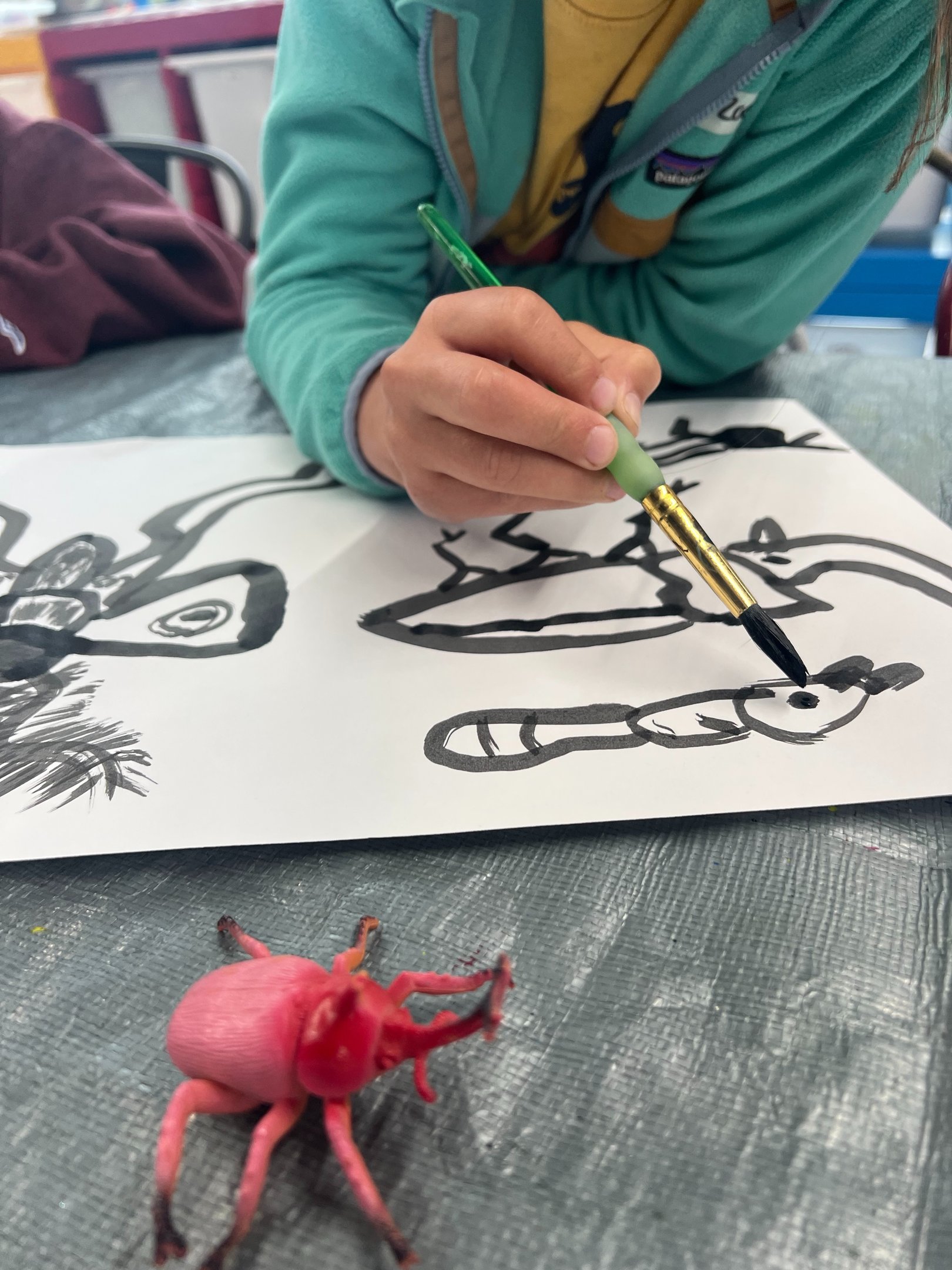
When parents begin looking for an art class, they often compare practical things first: schedules, locations, pricing, age ranges, and reviews.
Those details matter. But there is another factor that can have an even bigger impact on your child’s experience:
The educational philosophy behind the program.
Not all art classes are trying to accomplish the same thing. Some focus on technical skill development. Others prioritize creativity and self-expression. Some are highly structured. Others offer more autonomy and exploration.
None of these approaches are inherently better than the others. The right choice depends on what you hope your child gains from the experience.
Start With the Outcome, Not the Artwork
One of the most common mistakes we see parents make is evaluating an art program primarily by the artwork that comes home.
It’s understandable. The artwork is tangible. It’s visible. It’s easy to compare. But the finished piece doesn’t always tell you what a child learned while creating it.
Two students might leave different studios with equally impressive artwork. One may have spent the afternoon carefully following directions and replicating a demonstrated technique. The other may have spent the afternoon experimenting, solving problems, revising ideas, and making creative decisions.
Both experiences have value.
The question is: Which skills are you hoping your child develops?
Process-Based vs. Project-Based Art Classes
This is one of the biggest distinctions between art programs.
In a project-based class, students are typically guided through a specific project with a predetermined outcome. The instructor demonstrates each step and students follow along to create a finished piece.
These classes can be wonderful for:
Learning specific techniques
Building confidence through clear instructions
Producing finished artwork
Creating a shared group experience
Many children enjoy the structure and predictability of project-based classes.
A process-based class approaches things differently. Rather than focusing on creating a specific end product, the emphasis is placed on exploration, experimentation, decision-making, and creative thinking.
Students may be introduced to a material, concept, artist, or technique, but they are given greater ownership over how they use that information.
At artSPARK, we often demonstrate techniques and introduce new materials. What happens next is largely up to the student. A child may watch a demonstration and decide it perfectly supports the idea they’re already working on. Another child may observe the demonstration, decide it isn’t relevant to their current interest, and continue pursuing their own direction. Both are valid forms of participation. The goal is not compliance. The goal is engagement.
What Happens When a Child Abandons a Project?
This is one of my favorite examples of how different educational philosophies can lead to different interpretations of success. Children abandon work all the time. In some environments, that might be viewed as a failure to finish. In our studio, it’s often the beginning of a valuable conversation.
Sometimes a child abandons a piece because they realize the material isn’t helping them create what they envisioned. That’s not failure. That’s observation, reflection, and problem-solving.
Sometimes they abandon a piece because they think they made a mistake or because they suddenly decide their artwork is “ugly.” Those moments create opportunities to discuss persistence, resilience, and the difference between making a mistake and being unsuccessful.
The abandoned artwork is rarely the most important part of the story. What matters is what the child learned from the experience.
Technique-Focused vs. Creativity-Focused Programs
Another common decision parents face is whether to choose a technique-focused or creativity-focused program.
Technique-focused programs prioritize skill development. Students may spend significant time learning perspective, shading, color theory, proportions, or other artistic fundamentals. These programs can be excellent for students pursuing advanced artistic goals, portfolio development, or specific artistic disciplines.
Creativity-focused programs prioritize idea generation, experimentation, and personal expression. That doesn’t mean technical skills are ignored.
At artSPARK, we teach techniques, provide demonstrations, discuss artists, and introduce new tools and materials regularly.
The difference is that technical mastery is not the primary goal. Creative thinking is.
We care deeply about helping students develop the ability to:
Generate ideas
Solve problems
Take creative risks
Adapt when things don’t go according to plan
Reflect on their decisions
Persist through challenges
The artwork becomes the vehicle through which those skills are developed.
Could a student become a stronger artist through that process? Absolutely.
But creating great artists is not our primary mission. Developing creative thinkers is.
Art Classes vs. Other Types of Enrichment
Parents today have no shortage of enrichment options. Sports. Robotics. Coding. Music. Dance. Academic tutoring. Clubs.
When deciding how to spend limited time and resources, many families naturally compare these opportunities against one another.
I don’t believe art needs to compete with other forms of enrichment. Each develops something different.
What I do think is often overlooked is the role art can play in helping children process their experiences, regulate after highly structured school days, and engage in a different type of thinking.
Most children spend much of their day navigating environments built around right and wrong answers, grades, expectations, and performance metrics. Art offers something different.
It creates space for ambiguity. It creates opportunities to make decisions without knowing exactly how things will turn out. It creates opportunities to experiment without severe consequences for failure.
Those experiences matter. Because every child will encounter uncertainty, complexity, and challenges throughout their lives.
Questions to Ask Before Enrolling
If you’re evaluating art programs, I encourage you to ask a few questions beyond schedules and pricing.
What does success look like in this program?
How much choice do students have?
How are mistakes handled?
What happens when a child becomes frustrated?
Is the focus on the final product, the learning process, or both?
What skills are students expected to develop beyond artistic techniques?
The answers will tell you far more about whether a program is the right fit than any gallery of finished artwork ever could.
Finding the Right Fit
There is no universally “best” art class. A highly structured, technique-focused program may be exactly what one child needs. A process-oriented studio built around exploration and autonomy may be exactly what another child needs. The most important thing is finding a program whose goals align with your goals.
Before choosing an art class, don’t just ask what your child will make. Ask what your child will practice. Because long after the artwork is forgotten, the habits, mindsets, and skills they develop along the way are what will stay with them.
info@artsparkcreative.com


2630 W Belleview Ave
Suite 160
Littleton, CO 80123
303-795-7897
© 2024 Ideas Sprout Limited Liability Company. All rights reserved.
6644 Wadsworth Blvd
Arvada, CO 80003
303-284-2630